A live dealer table streams a real dealer and real cards, or a real wheel, from a studio straight to your phone or laptop, and you place bets through an overlay on the video. For a player in the Philippines, the mechanics click into place once you understand four things: how the stream actually works, which payment rails move money fastest, when tables are busiest in local time, and what to look for before you commit real pesos to a seat.
What Makes a Table “Live” in the First Place
Unlike a slot or an automated table game, a live table has no random number generator deciding the outcome. A human dealer shuffles, deals, or spins in a physical studio, and multiple cameras feed that action to your screen in close to real time. A shuffle machine or shoe-tracking system is usually visible on camera so players can see the deck is fresh. Chat boxes let you greet the dealer or ask a quick rules question, and a visible countdown timer tells you exactly how long the betting window stays open before the round locks.
Setting Up to Play From the Philippines
Account and Payment Basics
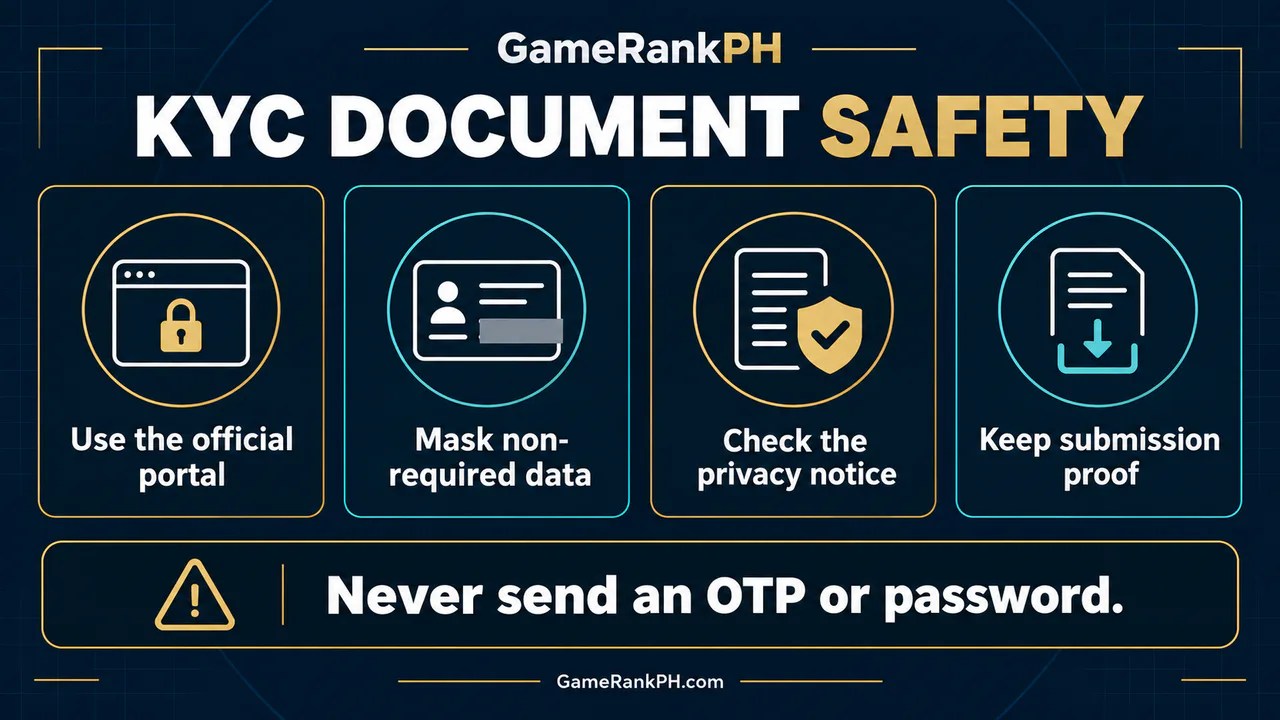
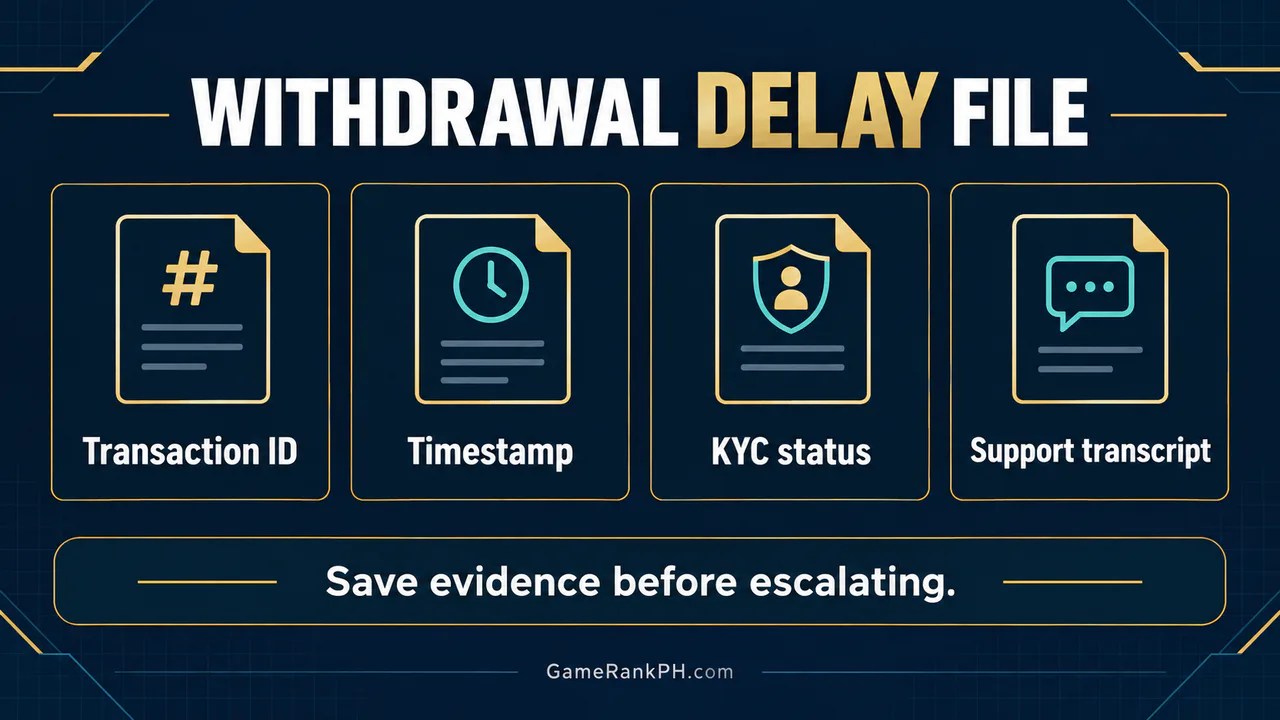
GCash and Maya are the two fastest ways most Filipino players move money in and out of a live casino account, since both settle in minutes for smaller amounts. Bank transfer through InstaPay or PESONet is the usual route for larger deposits, though it can take longer to clear depending on your bank cut-off times. Identity verification, meaning a valid government ID and sometimes a proof of billing address, is typically requested before your first withdrawal rather than before you deposit, so it pays to complete this step early instead of waiting until you actually want your money out.
Time Zone and Table Schedules
The Philippines sits at GMT+8, while many live studios broadcast from Europe or elsewhere in Asia. In practice this means tables fill up quickly during Philippine evening hours, roughly eight in the evening to midnight, when both local players and overseas players overlap. Playing at odd hours, such as four in the morning, often means fewer open tables, longer matchmaking for a seat, and sometimes a smaller spread of bet limits to choose from.
What to Check Before You Sit Down at a Table
Dealer and Studio Transparency
A legitimate table will show the dealer name or ID badge, keep the shuffle or deal visible on camera at all times, and display licensing information for the platform somewhere in the lobby or footer. If a table hides the shuffle, cuts the camera angle during the deal, or you cannot find any licensing reference at all, treat that as a reason to look elsewhere rather than a minor inconvenience.
Table Limits in Peso Terms
Every table lists a minimum and maximum bet before you join, and this is worth reading rather than skimming. Low-limit tables are built for beginners and casual sessions, while high-roller rooms sit in a separate lobby with much steeper entry points. Joining a table whose minimum bet eats a large share of your session budget in a single round is one of the fastest ways to end a session earlier than planned.
Rule Variations Between Tables
Not every table running the same game plays by identical rules. Side bets, commission on certain winning bets, and surrender options can all differ from one table or provider to the next. The rules icon on the table interface usually spells this out in a few lines, and it is worth reading once before your first real-money round rather than assuming it matches the last table you played.
How a Live Round Actually Unfolds
Once you join a table, you will see a betting timer start, usually somewhere between ten and twenty seconds. You place your chips on the betting spots shown on screen during this window. When the timer hits zero, betting locks and the dealer deals the cards or spins the wheel live on camera. The result appears on screen within a few seconds of the outcome, winning spots are highlighted, and payouts are credited to your balance automatically before the next betting window opens.
Common Mistakes First-Time Players Make
- Placing or adjusting a bet in the final second and missing the window because the connection lagged
- Sitting down at a table without checking the minimum bet against their session budget
- Hopping between tables mid-session without any plan, which makes it hard to track wins, losses, or time spent
- Ignoring a weak or unstable connection instead of switching to Wi-Fi or a stronger signal before starting
Play Within Your Means
Philippine law limits live casino play to those aged 21 and above. Treat every session as paid entertainment, set a budget before you sit down, and stop once that budget is gone rather than chasing it back.
Frequently Asked Questions
Do I need a special app to play live dealer tables?
Most platforms let you play live tables directly through a mobile browser, though a dedicated app can offer a smoother video stream on slower connections. Neither option changes how the actual game or payout works.
What is a typical minimum bet on a live table?
Minimums vary widely by provider and table type, and low-limit tables exist specifically for players who want to learn the pace of a game before risking larger amounts. Always check the posted limit before joining rather than assuming it matches another table you have played.
Can I pause a live round once betting has started?
No. Once the betting timer ends, the round proceeds and cannot be paused or reversed, since a real dealer is already dealing or spinning on camera. This is different from an automated game, where the round exists only as code.
Key Takeaways
- A live table uses a real dealer and real equipment on camera, not a random number generator
- GCash, Maya, InstaPay, and PESONet are the common payment rails for Filipino players
- Philippine evening hours have the most open tables across most time zones a studio might broadcast from
- Check dealer transparency, posted bet limits, and table rules specific to each room before your first round
- Verify your identity early so withdrawals are not held up later by document checks